

MPBG believes that the best lawyers are not only ethical, intelligent, experienced, knowledgeable, hard-working and dedicated to their clients, but also have the ability to think creatively. The Artists In Residence program aims to foster and complement the creative strength of our practice, while supporting and promoting local artists.
MPBG Air 7 Installation, September 18, 2026
May, Potenza, Baran & Gillespie, P.C. is proud to announce MPBG AIR 7, the latest installation of our Artists In Residence Program featuring painter Diana Creighton and photographer Marilyn Szabo.We are hosting a reception for some of our most valued clients and friends.
Marilyn Szabo
Photographer
Follow Marilyn on Instagram @finephotographyszabo
For any inquiries for purchase, please reach out to Marilyn Szabo directly, szabofoto@earthlink.net
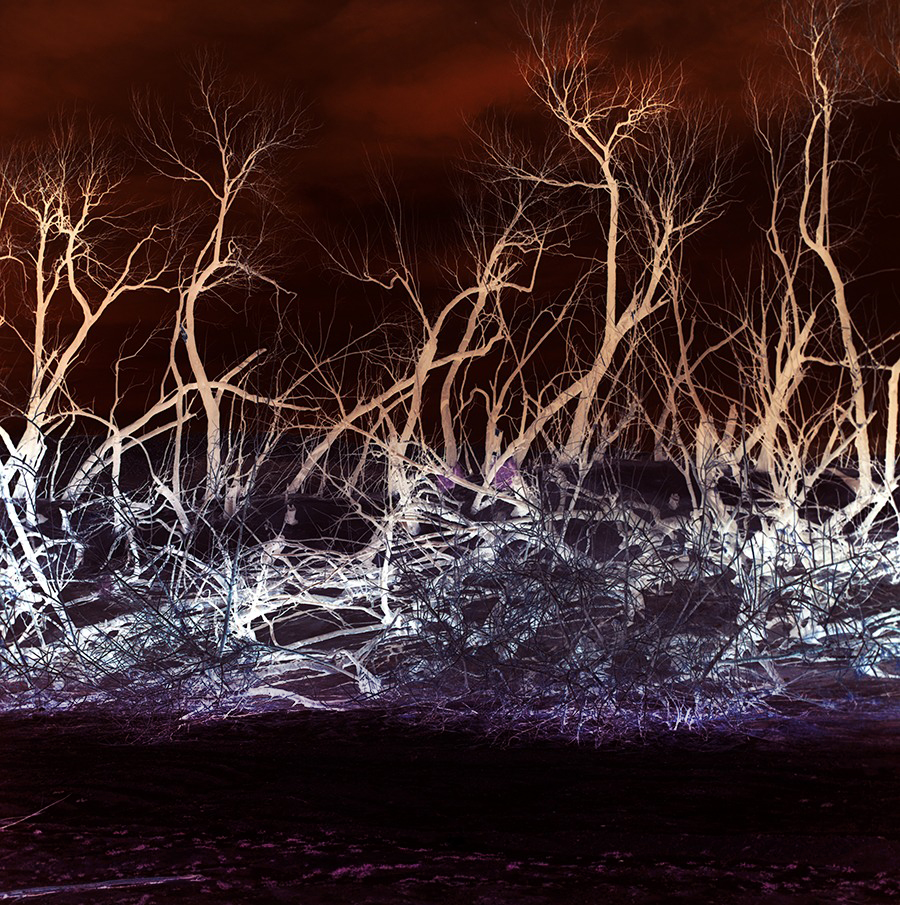
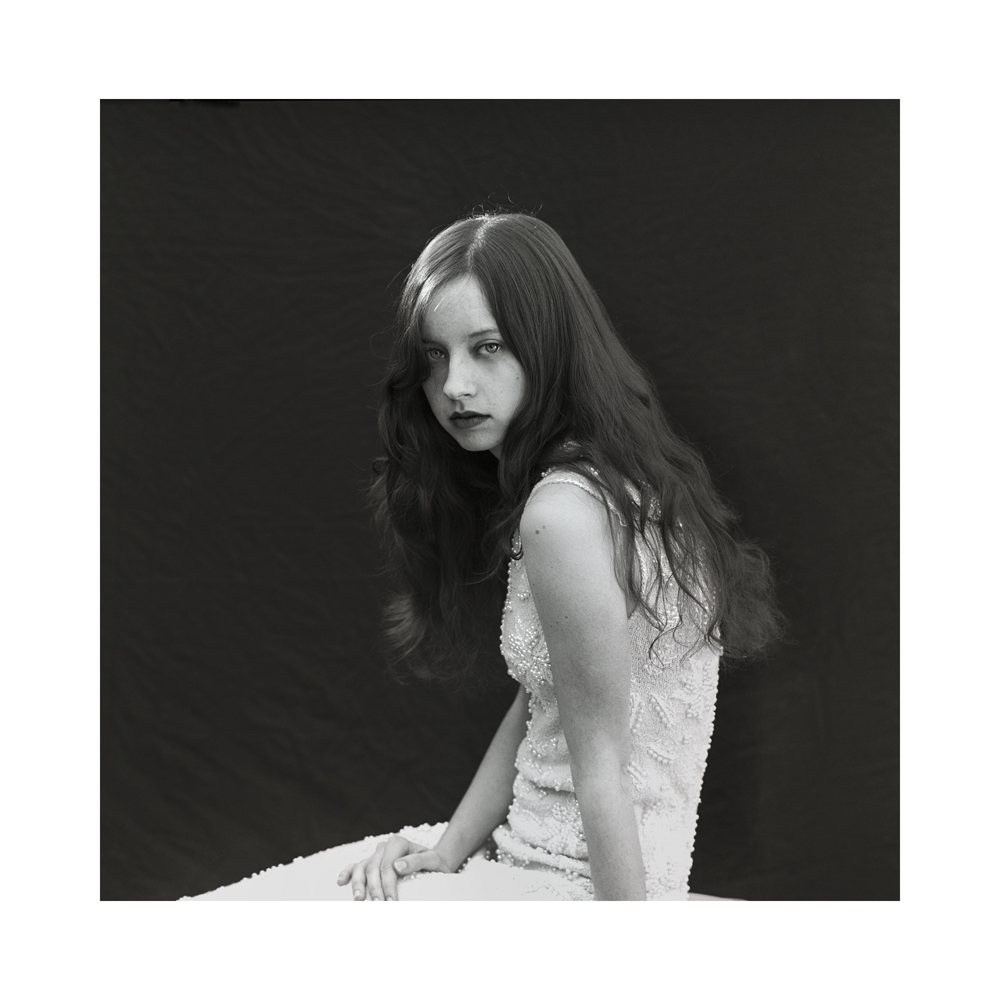
Marilyn Szabo has been capturing striking imagery fueled by her love of history and photography for over twenty-five years. Her photography – preferring to work in series – explores a variety of diverse subjects including architecture, highly detailed and message-laden landscapes, and portraiture, creating intimately universal works. Her artwork has been featured in numerous publications including Black and White, Focus, and Sun Magazine along with public and private collections throughout the US. She has received five arts commission awards totaling $50,000. In 2014 Western Alliance Bancorp published with Szabo curating “At Work in Arizona: The First Hundred Years” a comprehensive economic history of Arizona in black and white photography. Mesa Art Center, in 2018, exhibited a 42 piece portraiture show. Her work is carried by Royse Contemporary, Scottsdale and the Project Space, Phoenix.
Diana Creighton
Painter
Follow Diana on Instagram @dianacreightonstudio
For any inquiries for purchase, please reach out to Diana Creighton directly, dianacreightonart@gmail.com
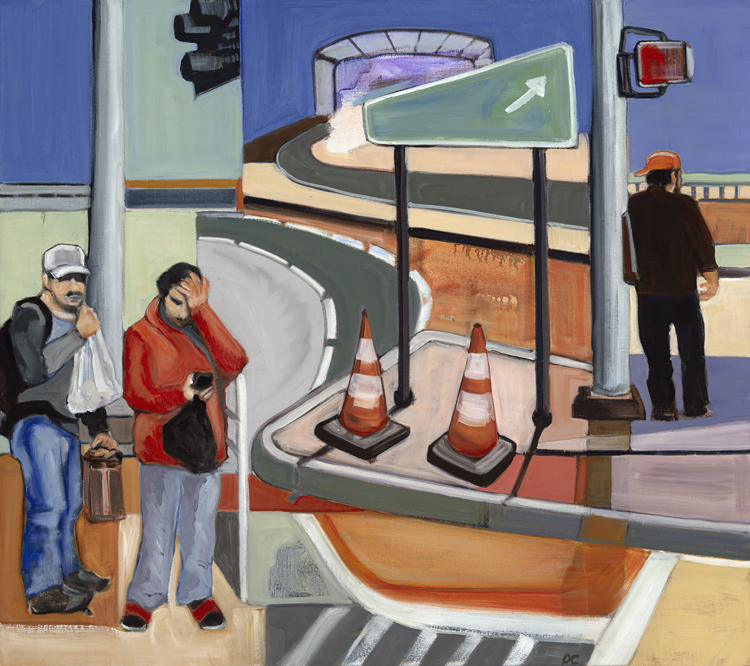
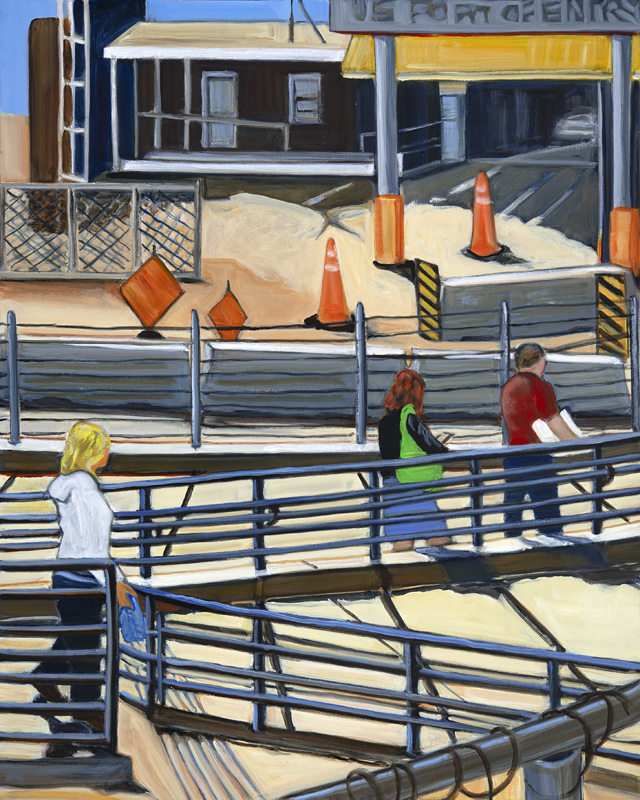
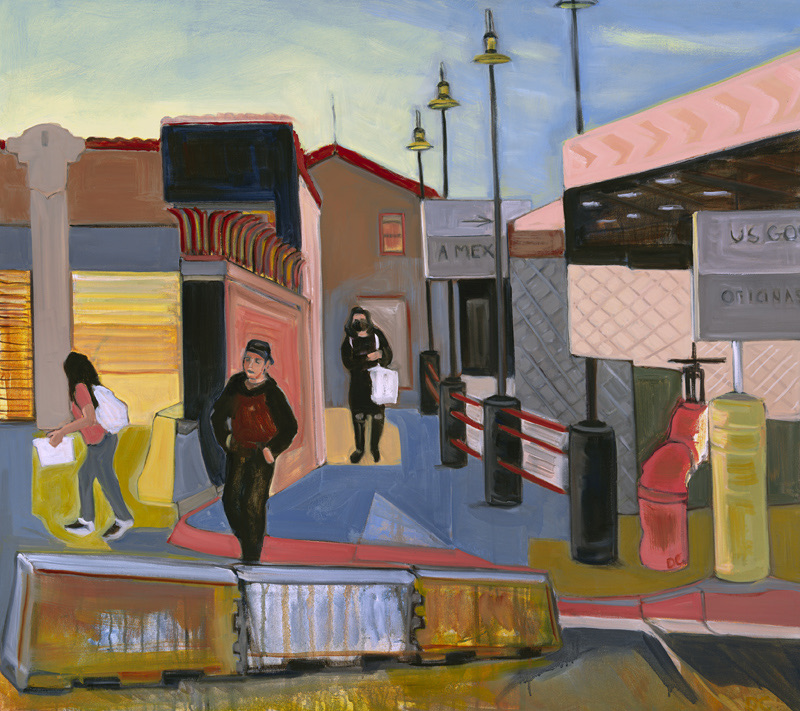
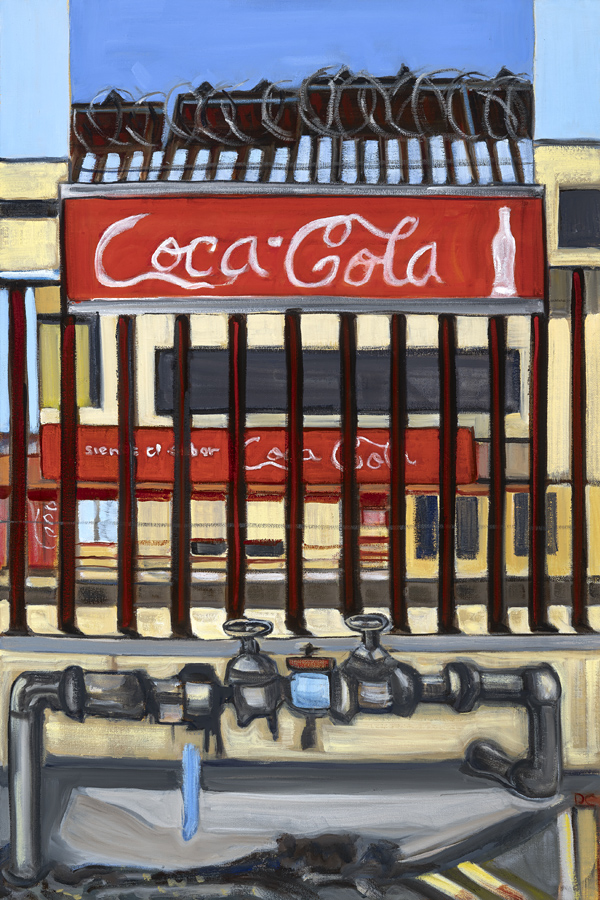
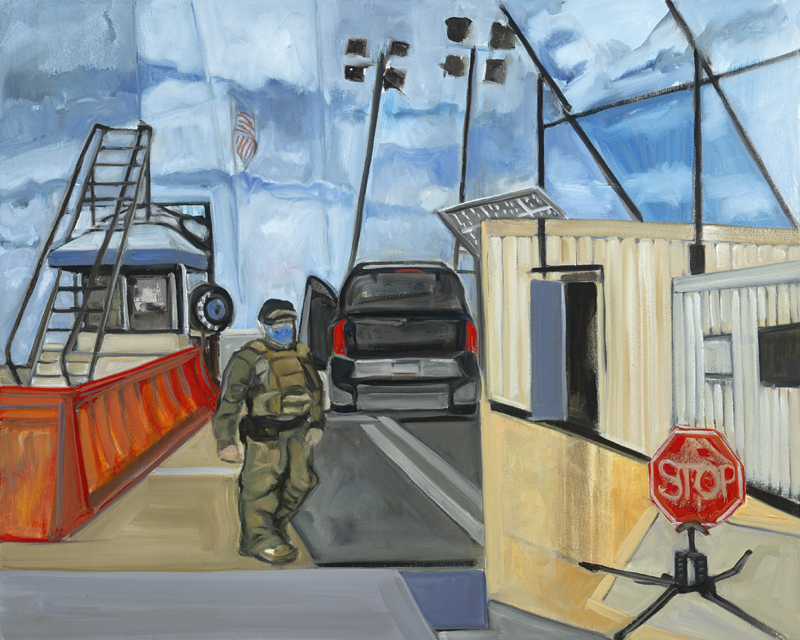
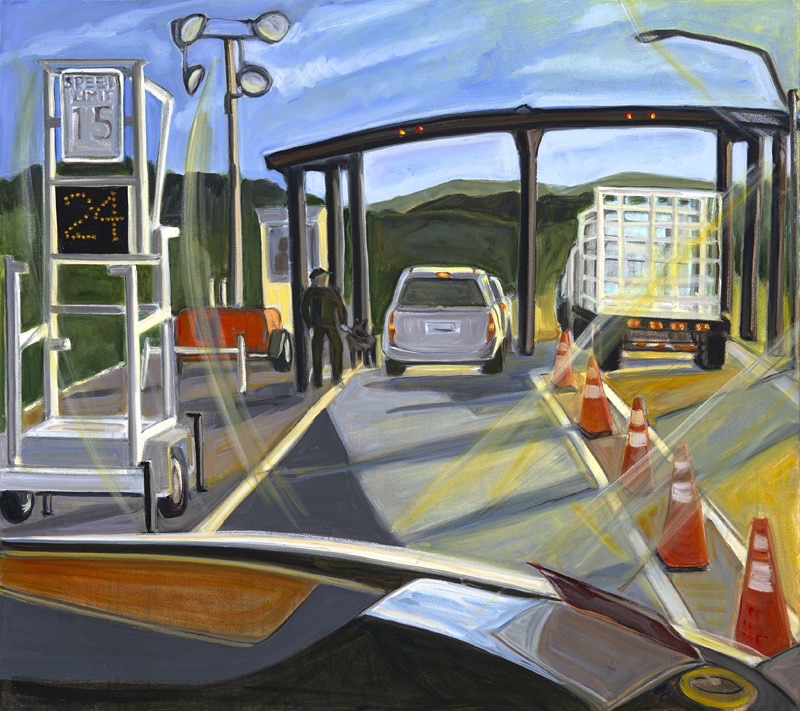
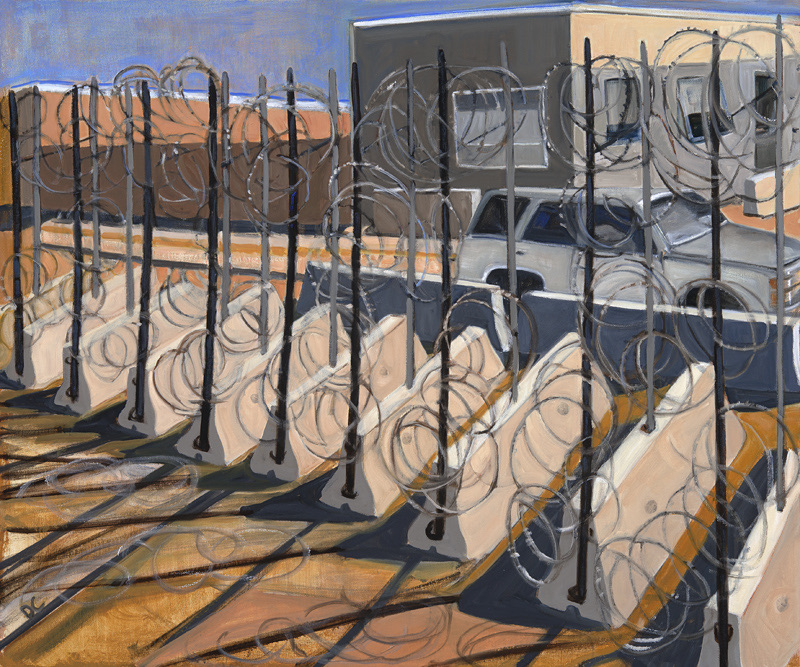
Diana Creighton is a narrative artist who uses paint and canvas to tell stories and to make the ordinary beautiful. In 2019, traveling the highways of the southwest, she began to notice ICE checkpoints and the busyness of the border crossings with Mexico. Why not tell the story of the everyday boarder? No point of view, just a record of the humanity and activity of crossings. Since then, she had painted the Arizona/Sonora border in a series called South Facing. She uses and iPhone camera to record what she sees and interests her, then creates collages of the images, changing the relationships of the forms to emphasize what is notable and interesting and will create a composition that tells the story of the place. From the collages, she creates mixed media on paper drawings, then moves to oil on canvas. She likes the transparency of oils in the finished paintings.
Marilyn Szabo Photography




Diana Creighton Art



The Story Behind The Kachina of Atonement

The Katchina of Atonement is a mile-long natural land formation lying south of the Little Colorado River in the desert grasslands of northern Arizona. I discovered it while flying over the region and was immediately struck by its visual power. From the air, the formation appeared at once beautiful and unsettling – animal-like, almost sea-like, and strangely alive.
Because the photographs were made from approximately 10,000 feet, the formation reveals itself in a way that is rarely seen from the ground. When I began speaking with Diné people in the area, they did not have stories or traditions associated with the formation as I had encountered it. I also found that historical U.S. Geological Survey maps and records ad I consulted did not reference it in the way I expected. The absence of a known story became part of the story for me.
The formation is beautiful, but is never static. Light, weather, erosion, and perspective continually transform it. Pottery shards and other evidence remain in the surrounding landscape, reminders of the Native peoples who traveled through, hunted, lived in, and developed cultures withing this place. As the project evolved, I returned several times to photograph and film the formation and its surrounding landscape. On one trip, my assistant and I walked and filmed the entire perimeter. The wind moving through the surrounding formations created deep, eerie sounds. Listening to them, I was reminded of standing near the pyramids in Egypt and hearing the wind move through an ancient landscape. The sensation was of encountering something that existed long before me and would remain long after I was gone.
The photographs operate on several levels. They are a study of archaeology, geography, topography, and environmental history, but they are also a record of my emotional and imaginative response to the land. Like much of my previous work, the project is rooted in exploration, personal history, and the desire to understand what lies beneath the visible surface.
I came to perceive the formation as a new Kachina of my own making. In Hopi culture, Kachinas are deified ancestral spirits associated with powers that may be benevolent or dangerous. I am not attempting to reproduce that tradition, but rather to create a personal mythology inspired by the power I feel within this particular landscape. For me, the Kachina became both a physical presence and a symbolic one.
It also became my Moby-Dick.
During one flight over the formation, we encountered severe turbulence and I suffered a concussion. Several weeks later, I seriously injured my ankle. Whether these events were coincidence or something more, I began to associate them with the Kachina. Like Captain Ahab pursuing the whale, I became determined to confront the thing that had marked me – to return to it, understand it, walk around it, photograph it, and ultimately wrestle with it through the work itself. My quest became both physical and artistic.
The history surrounding the Kachina deepens that confrontation. The land is now within the Navajo Nation, while its history is also connected to earlier Hopi lands and to the complicated history of changing territorial boundaries and government policies. Only a few miles away, the U.S. government established a World War II Japanese American incarceration camp. People considered disruptive or troublesome were sent there from other camps, and the conditions were harsh. Although the camp was eventually dismantled, the history of what happened there remains embedded in the landscape.
I feel that history when I am at the Kachina. The land carries traces of displacement, confinement, cultural memory, survival, and loss. It also carries the quieter evidence of people who lived here long before the landscape acquired contemporary political boundaries.
As I grow older and look back over my own life, I find myself thinking increasingly about responsibility, consequence, and the desire to make amends- for my own actions and, more broadly, for the wrongs carried forward by individuals and institutions. I use the word atonement deliberately. The Kachina has become a place where thoughts converge.
These photographs are therefore not simply documents of an unusual geological formation. They are an exploration of place and memory, of beauty and violence, of personal mythology and historical reality. The surrounding landscape becomes essential to the work, providing the context through which the Kachina can be understood- not only as a formation in the earth, but as a vessel for history, imagination, and my own continuing search for atonement.
Szabo
.